
5 Things I Did Differently From Other Romantasy Indie Authors
Thought Of My Journey As A Start-Up Business
It was a slow realization for me, but self-publishing isn’t only about writing a book and becoming an author. Whether you like it or not, whether you want to or not, if your goal is to sell the books you write, you’ll have to do more than get a cover and write the book.
You have to start a business.
As soon as I realized that, I knew the only way for my mind to be okay with the amount of time, money, and energy that went into this was to think of myself as the owner of a new start-up company. Company of one though it may be, it still consists of many departments and you have to wear all the hats, even if they don’t fit quite right. These roles consist of:
Production and Design Director
Marketing and PR Manager
Content Strategist & Creator
Editor-In-Chief
Hiring Manager (for roles you should hire out for like editors, and things you’ll likely need to hire out for like illustrators, book cover designers, etc.)
Formatting Designer
Event coordinator (if you decide to do events)
And likely many more micro-roles I’m neglecting to mention. As you can see…it’s a lot. But when you can accept that this avenue of becoming an author looks more like becoming an entrepreneur, things get a little easier to accept.
2. I Went In A Slightly Different Direction for the Cover Design Than The Market Trend
Look up “fantasy romance” “romantasy” or “romantic fantasy” in any search engine or online retailer and you will find the same blueprint for covers nearly across the board. Swirling text with a main element + item + atmospheric background. Typically a dark color. Usually with some sort of gilded, glowing, or shining accent. These covers are gorgeous, I’m not at all hating on them, but as a marketer I’ve noticed one big problem…the market is completely saturated with them. So what does that mean? In a sea of books, where people do judge the cover, it’s not standing out like it used to anymore, no matter how good the quality. A major caveat to going against the tried and true is if your strong suit isn’t an artistic eye, or you don’t have a strong marketing background, this cover formula is definitely a safe bet that can absolutely work for you with some hustle. However, it’s getting increasingly difficult to entice readers to click when covers have little variance, because unfortunately, readers begin to feel as if they’re not getting anything new.
So what did I do differently?
As a former marketer and someone who was deeply into art in my college years and ultimately married an artist, I had a pretty good idea of what to keep and what to experiment with for my cover.
I kept to the iconic text style.
I went with an illustrator whose style I loved and that typically did work with special edition covers.
I chose a color palette that was lighter and brighter to stand out against the dark covers the market trends towards.
And if you look at some of the other covers of books that are gaining the most traction on social media right now, you’ll see this shift, too. Here are a few trend shifts I’m noticing you might want to try for your next book or series:
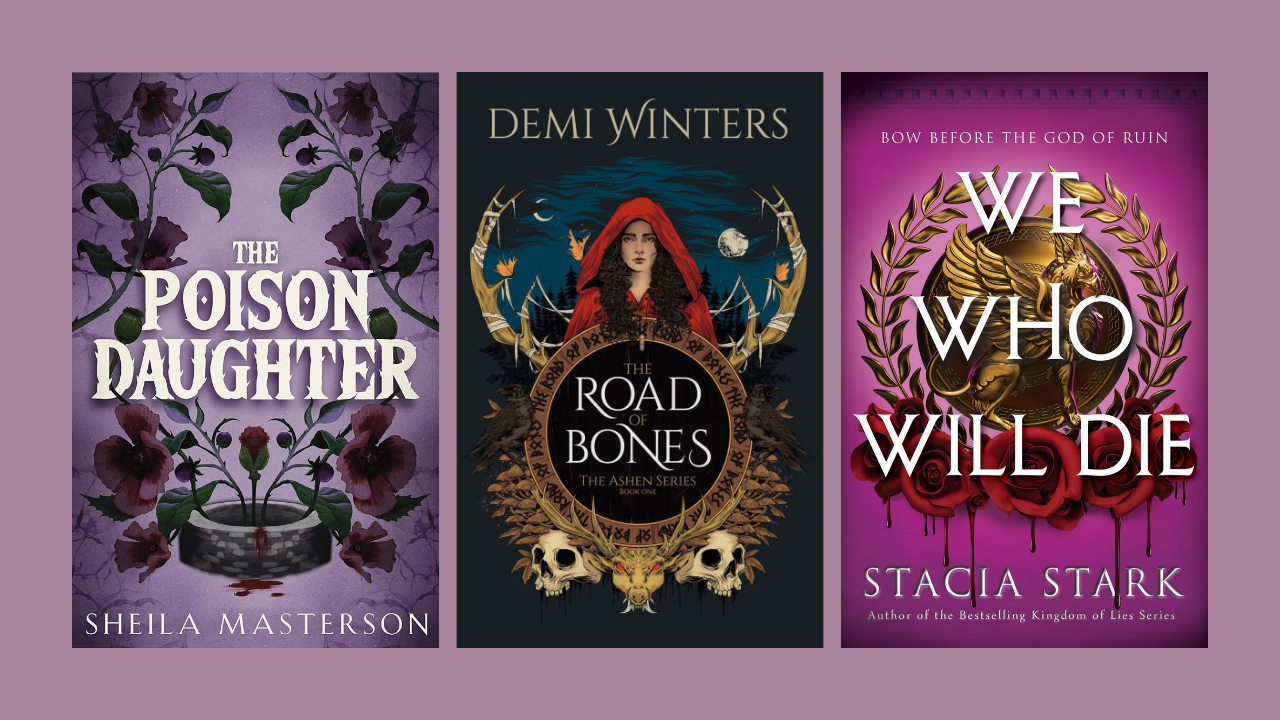
Bold text with simple, feminine background elements (THE POISON DAUGHTER by Sheila Masterson)
Well illustrated covers, often featuring the main character or characters (THE ROAD OF BONES by Demi Winters)
Bright or vibrant color backgrounds (WE WHO WILL DIE by Stacia Stark)
You won’t want to implement all of these on one cover. You still want it recognizable by the market as a fantasy romance, but changing one or two elements from the tried and true formula might get your book the attention it deserves.
Check out these examples of Variations Done well:
3. I Hired A High Quality Cover Illustrator
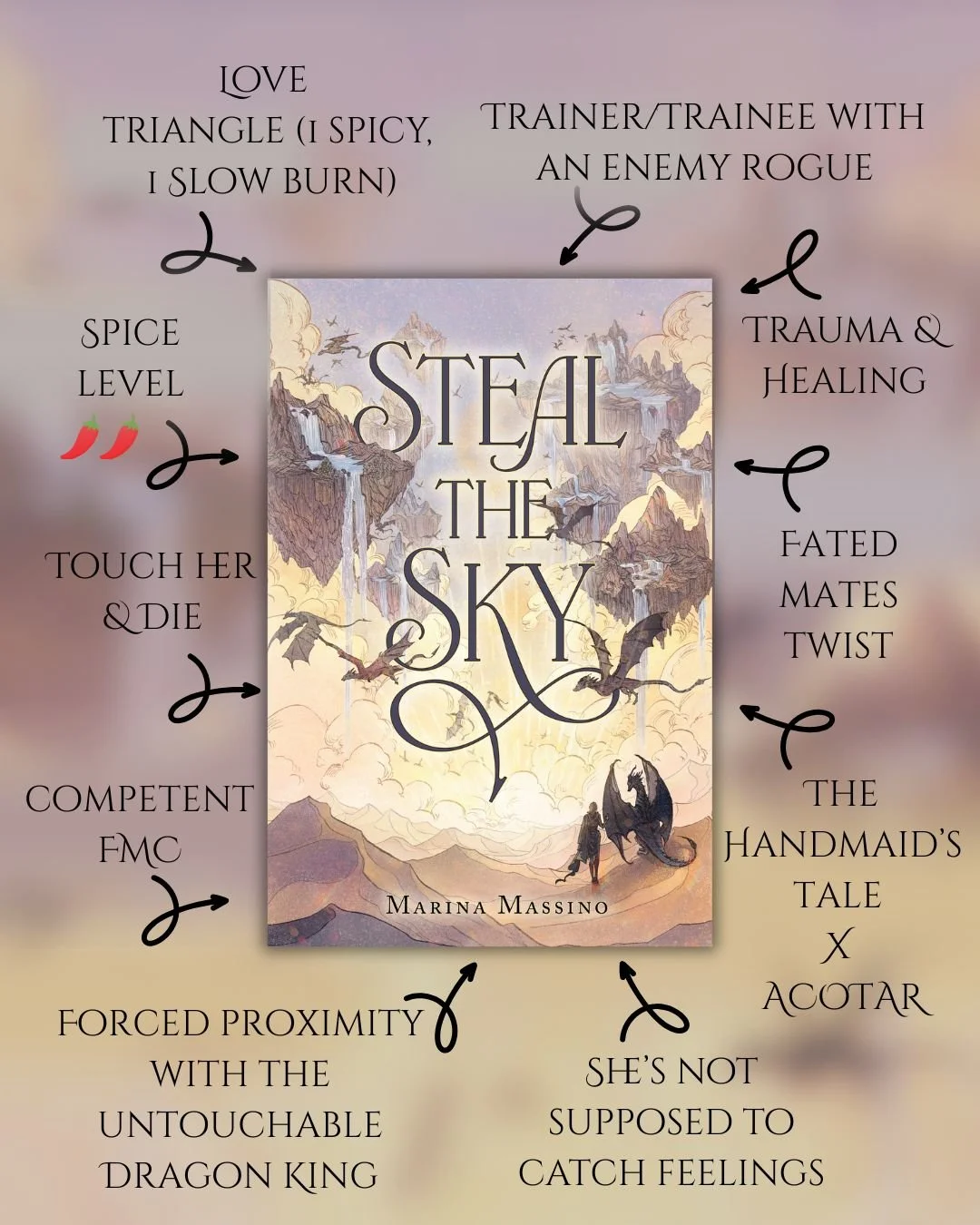
This goes along with #2, but what I want to point out here is that having good, unique art that speaks to you and your story will likely speak to your readers, too. This, along with my edits, was one of my BIGGEST investments. The artist hand drew and painted the piece and then cleaned it up digitally. Their work spoke to me with it’s epic aesthetic, flowing lines, and their ability to creatively depict the dragons from my book. I meeeean, just look at it (plus the tropes for a shameless self-plug):
How did I find them? I looked at special edition covers and noted all the ones I loved, but I kept coming back to this artist and that’s how I knew. And so when I reached out and saw the price tag…I wasn’t surprised. To feel secure going forward, I did have to remind myself, over and over, that my cover was going to be the biggest, most important marketing asset to getting this book in front of readers and, taking a look at my initial sales statistics from the past two months, I don’t think I made a mistake in doing so.
This method won’t work for every indie author. In fact, even though things are very slowly starting to trend towards indie authors releasing one or two books a year, most self-published authors focus on the rapid release method. If rapid release is your intended method, then it’s very likely getting covers from some of the higher end illustrators is too hefty of an expense to justify when you’ll have several books that will need covers in a short period of time.
For me, and for other authors who can realistically only release one book a year, if you can spring for a stand out cover, it’s well worth it. Rapid releases have the benefit of keeping their readers engaged by keeping them on the hook for a next book coming soon and the profits trend higher because there are more books to refill the wallet so to speak. For the rest of us? Having a cover that will do the heavy lifting and keep new readers finding it and wanting to pick it up fast is well worth the upfront investment.
How do I know?
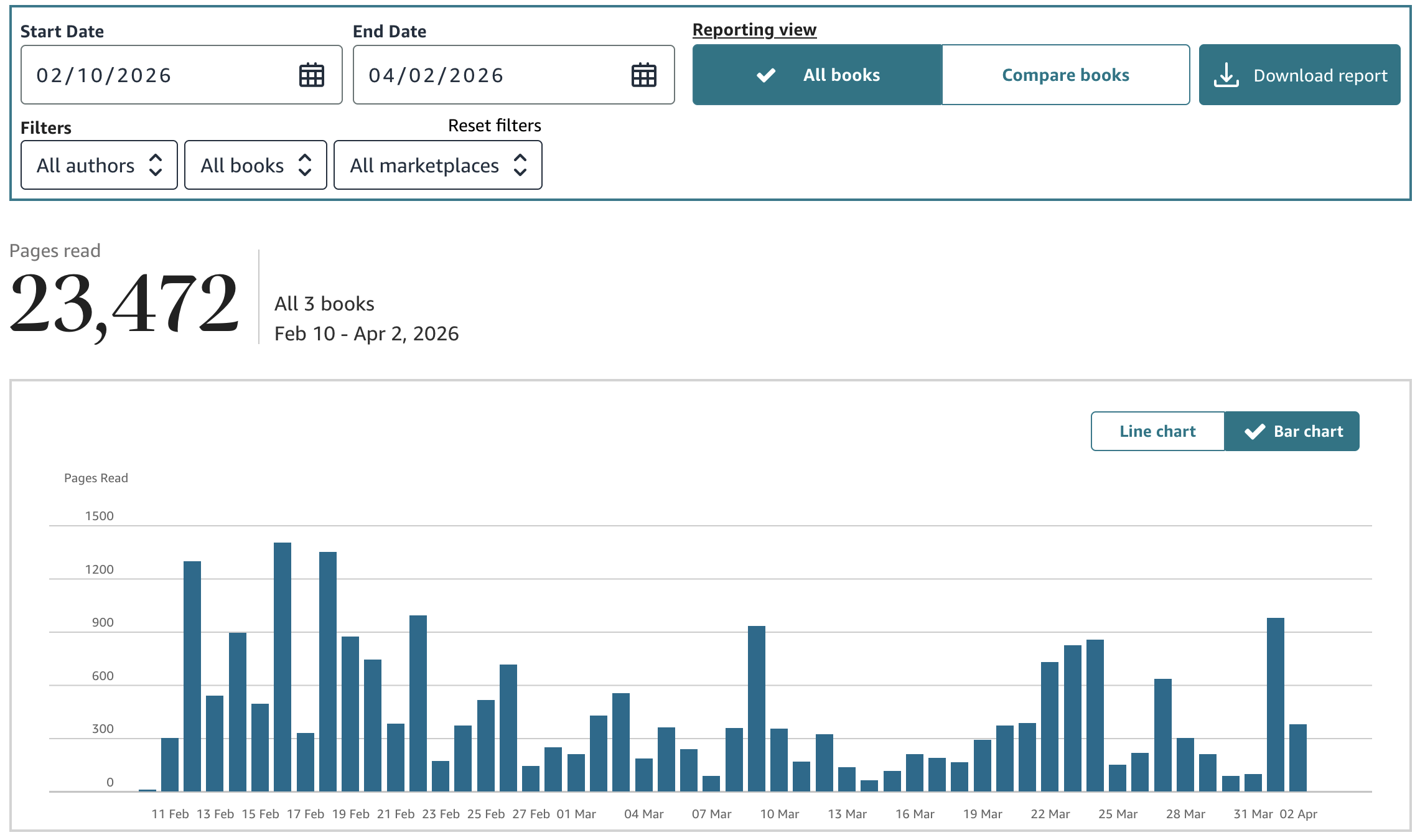
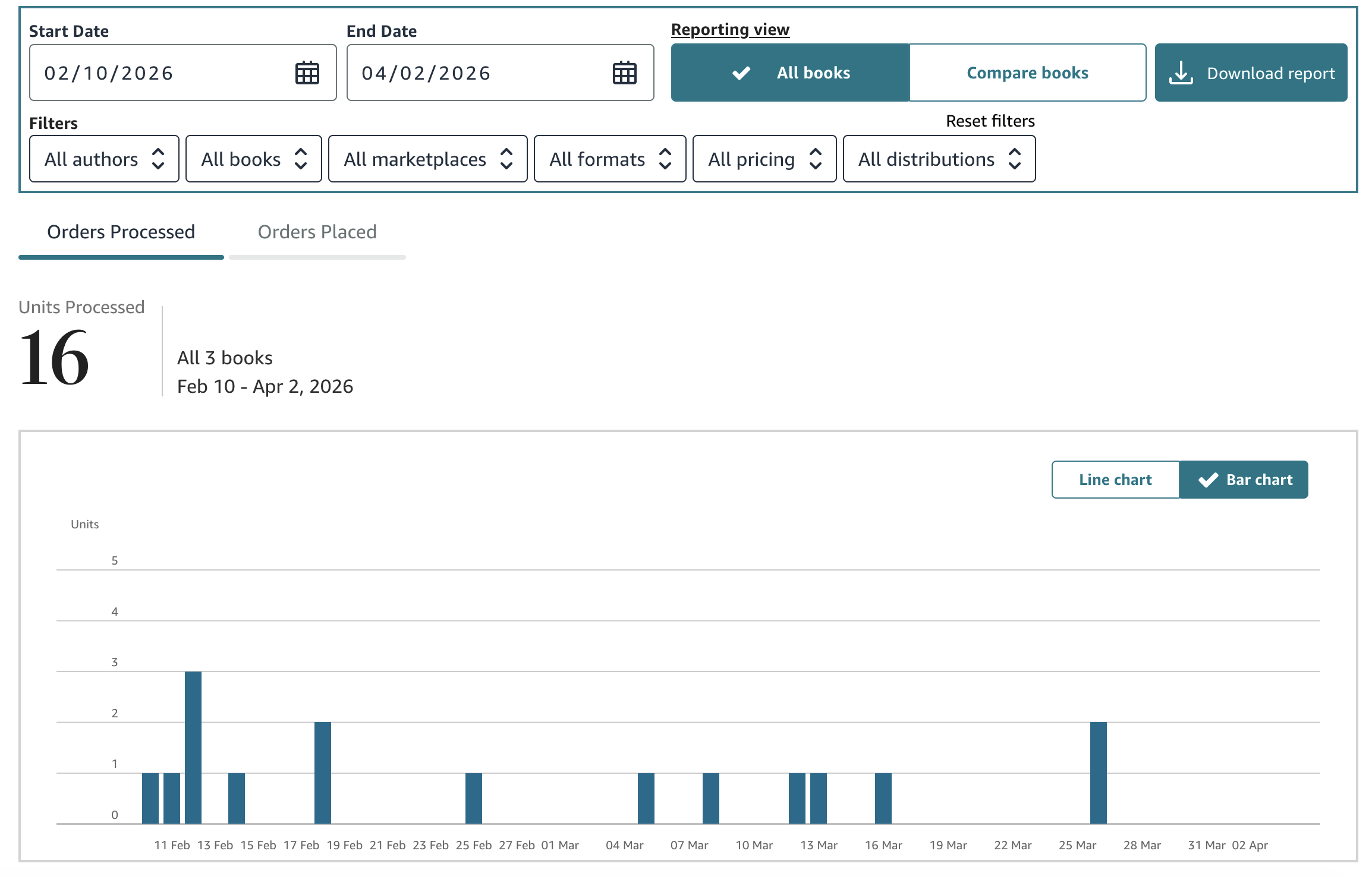
I’m embarrassed to admit, but as a former marketer, I’ve done very little actual marketing ahead of my book’s debut…and it’s still selling rather well for an indie debut. Here are my sales stats as of April 2, 2026 (a little less than two months since release):
Kindle Unlimited Page Reads since release date February 10, 2026:
Amazon eBook sales since release:
Paperback sales since release:

According to research I’ve done, this is definitely on the higher end of sales for an unknown indie debut author. The only thing I’ve done differently was invest in a cover that stands out in the market, set up a pretty pathetic, low-budget amazon ad, and for the past ten years told everyone I know I’m writing a book (probably about 80 of the print books are thanks to family/friends). That’s it. I haven’t even been pushing on social media very hard the last few weeks (burnout is so real, and besides, I have 880 followers on IG rn, a good chunk of which are friends/acquaintances) but my Kindle Unlimited Page (KENP) reads continue to track higher and higher despite my marketing negligence. Remember, people are judging your book by it’s cover and unless it’s saying it’s something new and different, readers will simply assume it is the same song and dance they’ve come to know and love, but that might be feeling a little overplayed.
Show them you have something different by letting your cover do the talking.
4. I Hired a Top-Tier Developmental Editor
Another caveat here: every book may not require this high-level of editing, but a complex fantasy world like mine absolutely did. At the very least don’t skimp out on alpha and beta readers if you’re able to get them, and I’d strongly recommend a line-level editor at the very least.
If your goal is to sell books, the only surefire way to consistently sell to whatever success means for you is to put out the very best product you can, and that begins with hiring the right people to help get you there.
As the author, you know all the aspects of the world you’ve built, likely way more than whatever ends up in the book. So much so that something that may appear obvious to you on paper may draw a blank from your readers if not explained well enough. And you won’t know that until less-than-stellar reviews point this out (which you’ll still get anyway, let’s be real). The point is, you want to do your best to mitigate the possibility of the ones that make you cringe with regret that you didn’t hire a good editor.
Still, regret is, unfortunately, a dark companion for the self-made author. And I’m no exception. There’s a lot I’d do differently on the next book, in regard to editing and with other roles I hired out for, which I’ll share at another time.
5. I Followed a Trad Pub Approach
This will probably be my most controversial item I’ve shared. Time and again I’ve gotten advice that self-publishing is NOT the same as traditional SO DON’T DO IT THE SAME WAY.
Yes AND…here’s the thing. I’d argue that it depends on the kind of author you are on what approach you take. I alluded to this before, but if you can’t write a ton of books in a short time and rapid release them, the same tactics used by most indie authors just isn’t going to work for you. And I knew for me, with the kind of life I live, there was no way that I was going to be able to publish more than one book a year. At least for the foreseeable future.
As a self-published author, there are a lot of hurdles and restrictions that keep us from being able to do things the exact same way as the trad folk, but that doesn’t mean we can’t take a page out of their book. Longer lead times, like in traditional publishing, means more time to save up for deluxe-vibe-giving covers to use. Finding affordable ways, like co-ops, to get it on NetGalley, can help gain reader reviews if you’re social media game isn’t strong enough to drive readers to sign up for your ARC’s. In fact, I probably could have done more to operate like a trad publisher by trying to get trade reviews and blurbs from other authors. Regrets! They are more than a few.
Really though? There’s no one way to publish a book. You do what you can, you write the best book possible, and you find the readers who will love your story, because I assure you, they are out there.